Why CNC Machining Matters for a Bike Chainring
A chainring must maintain accurate tooth geometry and stable dimensional relationships with the crankset. Small inconsistencies can affect chain engagement, shifting behavior, or overall drivetrain performance.
With CNC machining, you can produce detailed profiles and mounting features according to specific drawings or production requirements. This approach is particularly useful when you need custom CNC bike chainring designs rather than standard off-the-shelf components.
Gtaicnc works with demanding materials including titanium, aviation aluminum, and stainless steel. For bicycle applications, material selection should reflect the balance between weight, strength, corrosion resistance, and intended riding conditions.
Common Materials for Bicycle Components
- Aluminum alloy: Lightweight, corrosion-resistant, and suitable for performance-oriented bicycle components.
- Stainless steel: Strong and resistant to rust, making it suitable for high-stress or weather-exposed parts.
- Carbon fiber: Very lightweight with useful vibration-damping characteristics, commonly used for high-end frames, handlebars, and wheel rims.
For a chainring specifically, you should confirm the required material, tooth profile, crank compatibility, bolt pattern, and finish before production.
Bike Chainring Applications and Related Components
A chainring rarely works as an isolated component. It forms part of a larger drivetrain system, so your supplier should understand how different bicycle components interact.
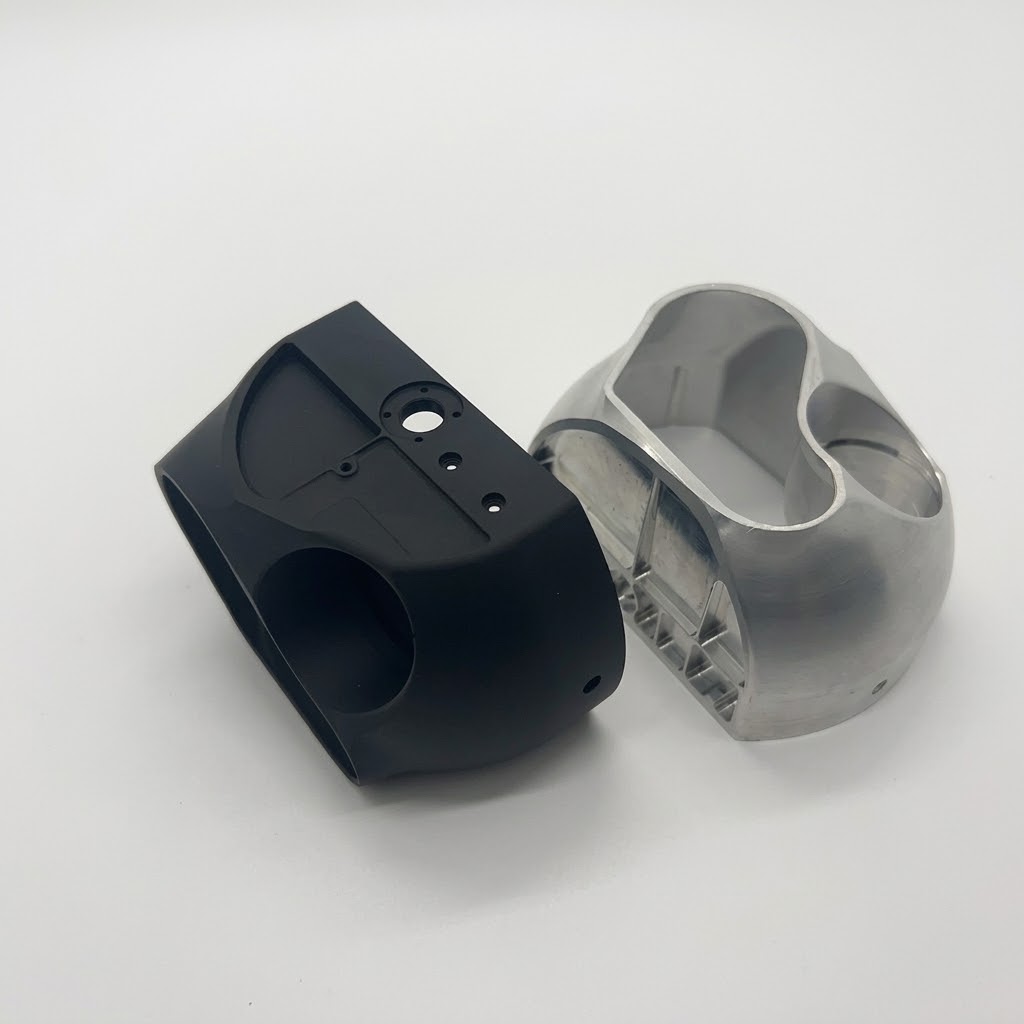
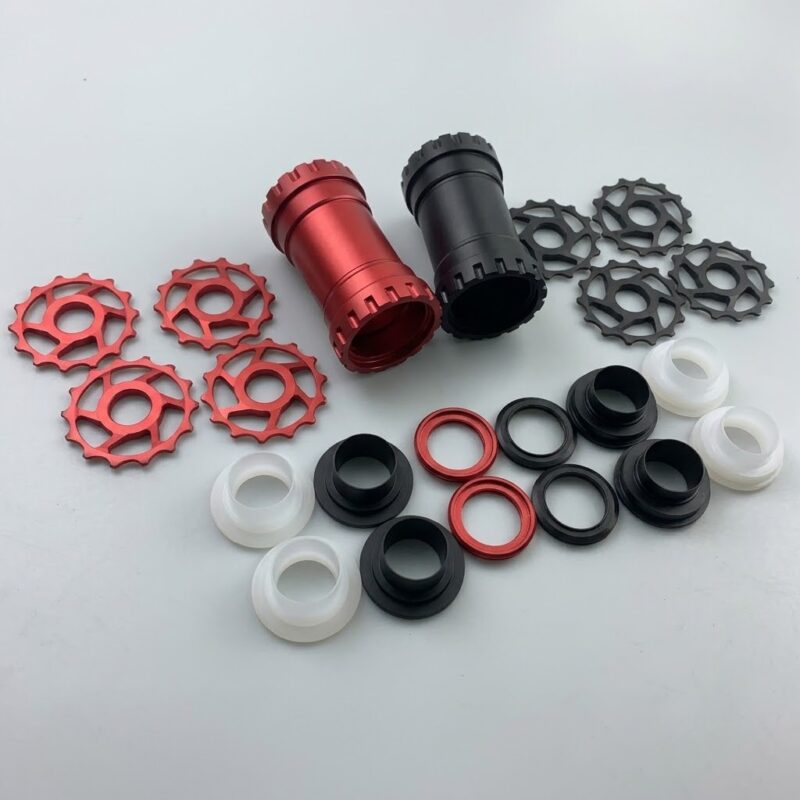
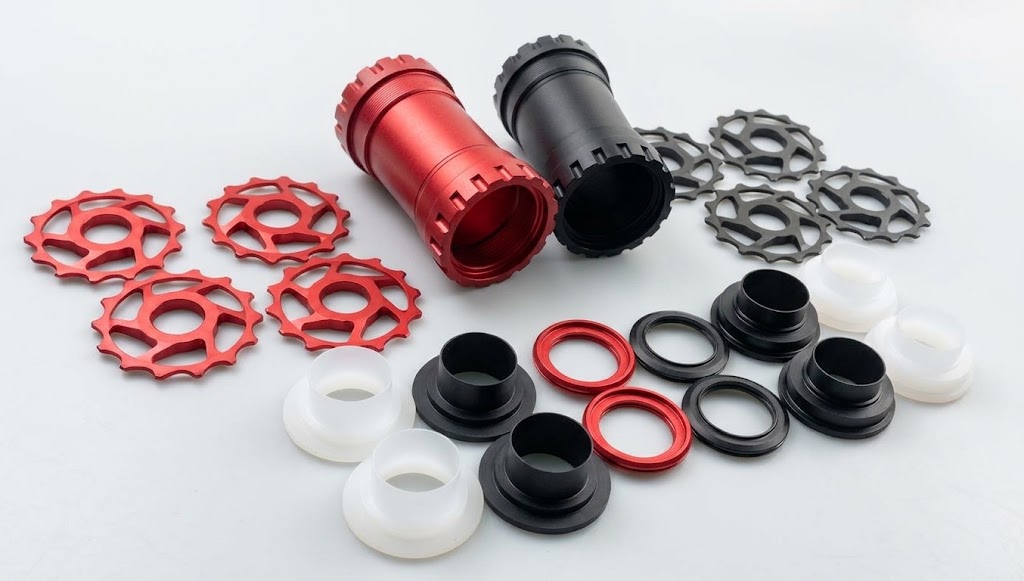
Gtaicnc has experience machining bicycle-related products including hubs, bottom brackets, cranks, pedals, brake discs, and derailleur kits. This broader experience can help when you need multiple precision components from one supplier.
You may also source other bicycle accessories such as:
- Bike pedals
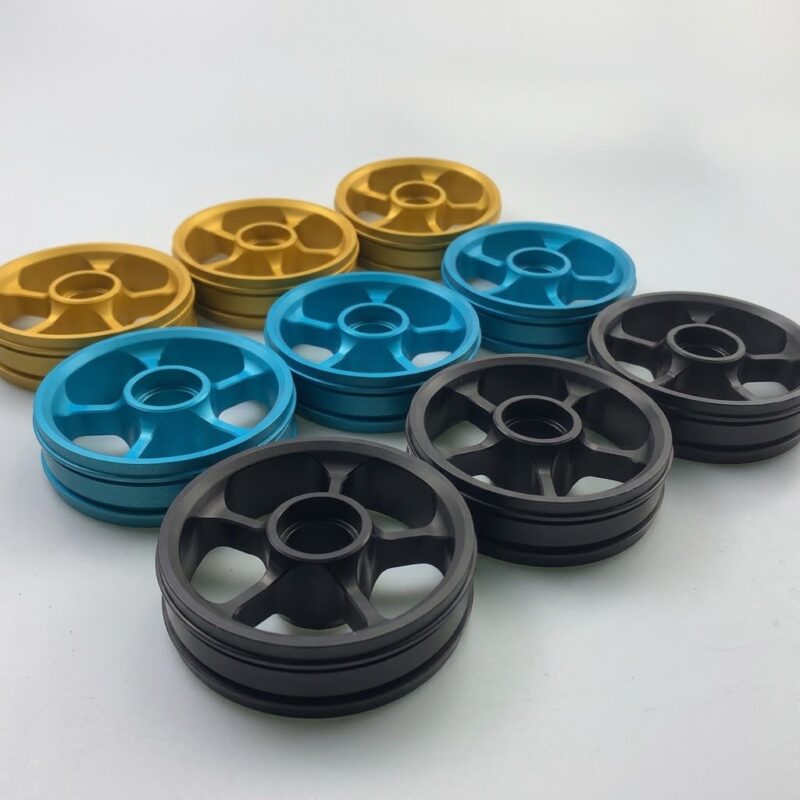
- Bike hubs
- Crank arms
- Bottom brackets
- Brake components
- Derailleur components
- Handlebars and grips
- Wheel-related components
This makes CNC machining for bicycle components useful for both individual replacement parts and larger product-development projects.
Comparing Materials for a Bike Chainring
| Material | Main Advantage | Typical Consideration | Suitable For |
|---|---|---|---|
| Aluminum Alloy | Low weight and corrosion resistance | Requires appropriate design for loads | Performance-focused bicycles |
| Stainless Steel | Strength and rust resistance | Higher weight | High-stress applications |
| Carbon Fiber | Very low weight and vibration damping | Different manufacturing requirements | High-end bicycle structures |
The right choice depends on your product specification rather than simply choosing the lightest material. If you are developing a custom bicycle chainring supplier project, discuss the expected load, riding environment, target weight, and required service life with your machining partner.
How to Order Custom CNC Bicycle Components
If you plan to develop a custom chainring or related bicycle component, follow a structured sourcing process:
- Define the application: Specify the bicycle type, drivetrain configuration, intended use, and performance requirements.
- Prepare technical data: Provide drawings, dimensions, tolerances, material requirements, surface finish, and quantity.
- Review the machining process: Ask how CNC milling, CNC turning, tooling, and inspection will be handled.
- Confirm samples: Use prototypes or initial samples to verify dimensions, fit, tooth geometry, and assembly.
- Move to production: Once the sample meets your requirements, confirm production quantities, testing, packaging, and delivery arrangements.
This process reduces misunderstandings and helps you identify potential manufacturing issues before mass production.
Why Choose Gtaicnc for Precision Bicycle Parts?
Gtaicnc combines CNC machining with a one-stop manufacturing workflow. Founded in 2016, the company operates 31 CNC milling machines and CNC lathes and provides processing, assembly, testing, and packaging services.
Its engineers work with customers to review machining processes and identify ways to optimize production. This is particularly relevant when your design contains tight tolerances, complex geometries, or demanding materials.
For buyers, a consolidated manufacturing workflow can also reduce the need to coordinate separate suppliers for machining, assembly, testing, and packaging.
FAQ
1. What materials can be used for a custom bike chainring?
Aluminum alloy and stainless steel are common options for precision bicycle components. The appropriate material depends on your weight target, strength requirements, riding environment, and design.
2. Can Gtaicnc manufacture other bicycle components besides chainrings?
Yes. Gtaicnc provides CNC machining for bicycle components including hubs, bottom brackets, cranks, pedals, brake discs, and derailleur-related parts.
3. Can I request a custom bike chainring design?
You can discuss custom requirements with the Gtaicnc engineering team. Providing technical drawings, dimensions, tolerances, material specifications, and quantities will help the manufacturer evaluate your project accurately.
Conclusion
Choosing the right bike chainring requires attention to material, tooth geometry, dimensional accuracy, drivetrain compatibility, and production requirements. For custom bicycle components, CNC machining gives you greater control over complex geometries and repeatable dimensions. With its 2016 founding date, 31 CNC milling and turning machines, and one-stop processing, assembly, testing, and packaging service, Gtaicnc can support buyers developing precision bicycle parts and other custom components.
CTA
If you are developing a custom bike chainring, send Gtaicnc your drawings, material requirements, dimensions, tolerances, and estimated order quantity. The engineering team can review your requirements and discuss a suitable CNC machining and production approach.