When you source fishing reel components, inconsistent dimensions, poor surface finishes, and unreliable machining quality can affect assembly and product performance. A cnc lathe helps you manufacture cylindrical and rotational components with controlled dimensions and repeatable machining processes. However, selecting the right manufacturing partner involves more than choosing a machine. You also need suitable materials, reliable quality checks, and a production workflow that supports your design requirements.
Dongguan Guangtai Hardware Products Co., Ltd. (Gtaicnc) has specialized in CNC machining since 2016. With 31 CNC milling machines and CNC lathes, the company provides machining, assembly, testing, and packaging services. If you need custom fishing reel components, understanding how CNC turning works and how to evaluate a supplier can help you make a more informed sourcing decision.
What Is a CNC Lathe for Fishing Reel Components?
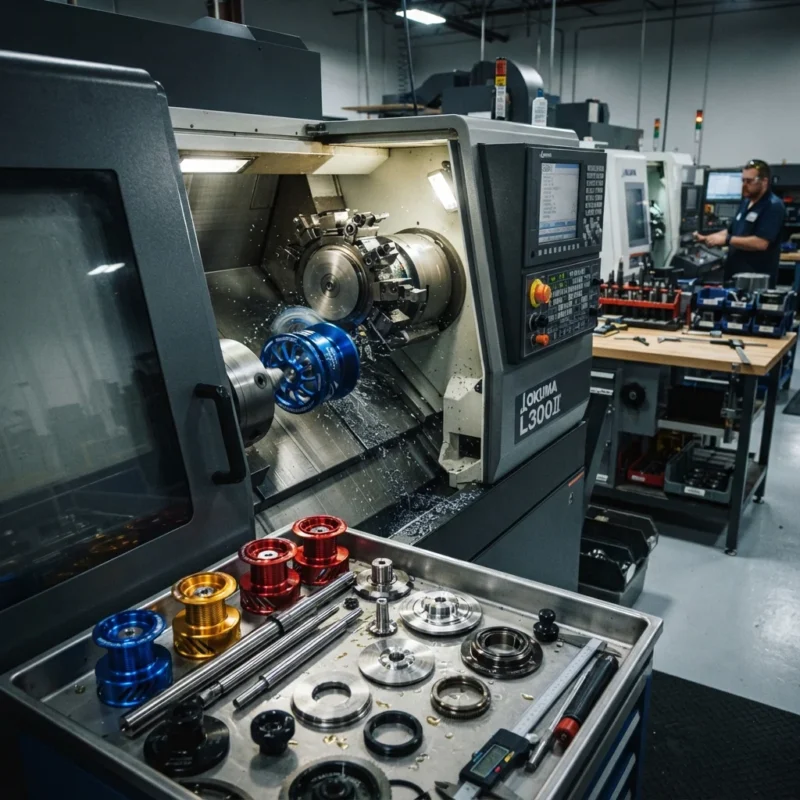
A CNC lathe is a computer-controlled machine that rotates a workpiece while cutting tools remove material to produce the required shape. This process suits rotational parts that need consistent diameters, defined surfaces, and accurate relationships between machined features.
Fishing reel assemblies contain different components, including shafts, rings, discs, and other precision parts. Depending on their geometry, manufacturers may use CNC turning, CNC milling, or a combination of both processes.
Which Fishing Reel Parts Can CNC Turning Produce?
CNC lathe machining is suitable for components with rotational geometries, such as:
- Shafts and axles: Support rotating assemblies and require appropriate dimensional control.
- Annular components: Form rings or circular structural features for reel assemblies.
- Discs and spacers: Help establish spacing or support between assembled parts.
- Custom metal fittings: Match specific mechanical designs and assembly requirements.
Not every fishing reel accessory requires turning. Parts with complex pockets, flat surfaces, or multiple mounting holes may need CNC milling or secondary operations. Your supplier should assess the engineering drawing before recommending a machining process.
Choosing Materials for Custom Fishing Reel Parts
Material selection influences component weight, strength, corrosion resistance, machinability, and cost. The best option depends on the part’s function, operating environment, and required service life.
Common Materials and Their Applications
- Aluminum alloy: Suitable for lightweight rings, housings, and other structural components. Selected aluminum grades can also undergo anodizing to achieve colored finishes.
- Stainless steel: Worth considering for shafts, discs, and fittings that require strength and corrosion resistance. The specific grade should match the expected exposure to water and other environmental conditions.
- Copper alloys: May suit small precision components that require particular electrical, thermal, or mechanical properties.
- Engineering plastics: Can support lightweight auxiliary structures where the design and operating conditions permit their use.
Surface treatment also matters. Anodizing, where compatible with the aluminum alloy, can improve surface wear characteristics and appearance. Other metals may require suitable passivation, coating, or finishing processes depending on their intended use.
Before production, confirm the material grade, surface finish, dimensional tolerances, and corrosion-resistance requirements with your manufacturer.
CNC Lathe vs. CNC Milling for Fishing Reel Accessories
Choosing the correct machining process helps you balance component geometry, production requirements, and manufacturing costs.
| Comparison factor | CNC lathe | CNC milling |
|---|---|---|
| Primary operation | Rotates the workpiece against a cutting tool | Removes material using rotating cutting tools |
| Suitable geometry | Shafts, rings, discs, and cylindrical parts | Pockets, slots, flat faces, and complex profiles |
| Typical applications | Rotational reel components | Mounting features and non-cylindrical components |
| Main consideration | Workpiece geometry and turning requirements | Feature complexity and tool accessibility |
| Combined machining | May require milling for additional features | May require turning for cylindrical surfaces |
For example, a fishing reel shaft may be produced primarily through CNC turning, while a mounting bracket may require milling. A component with both cylindrical and milled features may need multiple operations. Your supplier can recommend the most practical process after reviewing the drawing and production volume.
How to Order Custom Fishing Reel Components
A clear manufacturing workflow reduces misunderstandings and helps you evaluate whether a supplier can meet your requirements.
- Prepare your design files. Provide engineering drawings or 3D CAD models, including critical dimensions, tolerances, and assembly interfaces.
- Specify materials and finishes. Identify the required alloy, surface treatment, color, and corrosion-resistance expectations. If you are unsure, ask the manufacturer to review suitable options.
- Request a machining assessment. Ask whether CNC turning, CNC milling, or combined machining best suits each component. Discuss tooling, setup requirements, and manufacturability before approving production.
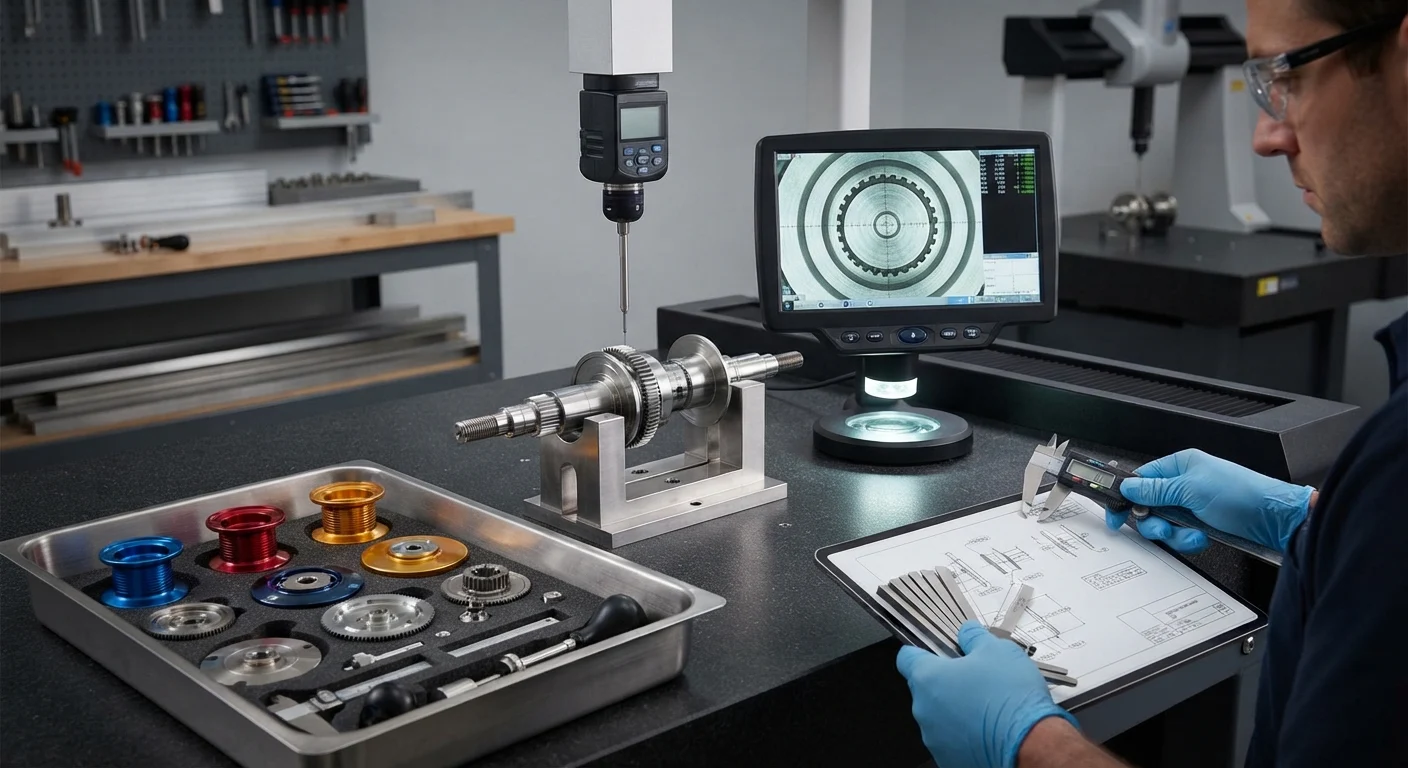
- Confirm inspection requirements. Agree on how critical dimensions will be checked, what inspection records are available, and how nonconforming parts will be handled.
- Approve samples and production details. Where appropriate, evaluate prototype parts before placing a larger order. Confirm quantities, packaging, lead time, and acceptance criteria in writing.
Gtaicnc offers a one-stop service covering processing, assembly, testing, and packaging. This integrated approach can simplify supplier coordination when your project requires several manufacturing stages.
Why Consider Gtaicnc for CNC Lathe Machining?
Founded in 2016, Dongguan Guangtai Hardware Products Co., Ltd. serves customers across several precision-manufacturing categories, including bicycle components, photography accessories, drone parts, fishing reel components, lighting accessories, and scooter parts.
Its stated equipment base includes 31 CNC milling machines and CNC lathes. The company also provides rapid prototyping, aluminum extrusion, and sheet-metal stamping services.
When evaluating Gtaicnc for your project, consider these practical advantages:
- Integrated manufacturing services: Coordinate machining, assembly, testing, and packaging through one supplier.
- Multiple machining capabilities: Assess turning and milling options for components with different geometries.
- Material flexibility: Discuss aluminum alloys, stainless steel, and other suitable materials according to your design.
- Engineering collaboration: Review component drawings and machining processes with the supplier before production.
For your supplier assessment, request relevant sample parts, inspection documentation, material traceability information where applicable, and confirmation of the tolerances the factory can consistently achieve. These checks provide more useful evidence than relying on general quality claims alone.
Frequently Asked Questions
1. What fishing reel parts are suitable for CNC lathe machining?
Shafts, axles, rings, discs, and other rotational components are potential candidates. The final process depends on the part geometry, material, tolerances, and additional features.
2. Which materials are suitable for fishing reel components?
Aluminum alloys are useful when low weight and machinability matter. Stainless steel may suit parts requiring greater strength or corrosion resistance, while copper alloys and engineering plastics can serve specific design requirements.
3. What should you provide when requesting a CNC machining quote?
Submit drawings or CAD files, material specifications, surface-finish requirements, critical tolerances, order quantity, and inspection expectations. Include any assembly or packaging requirements so the supplier can assess the complete scope.
Conclusion
Choosing a cnc lathe supplier for fishing reel components requires careful evaluation of machining capabilities, material suitability, dimensional requirements, and quality-control procedures. Gtaicnc combines CNC turning and milling capabilities with processing, assembly, testing, and packaging services to support custom manufacturing projects. By providing clear specifications and confirming production requirements before ordering, you can establish a more reliable path from component design to finished parts.
Ready to discuss your fishing reel components?
Contact Gtaicnc at blaze@gtaicnc.com or Stuart@gtaicnc.com. Share your drawings, preferred materials, required quantities, and critical tolerances to request a project assessment and machining quotation.