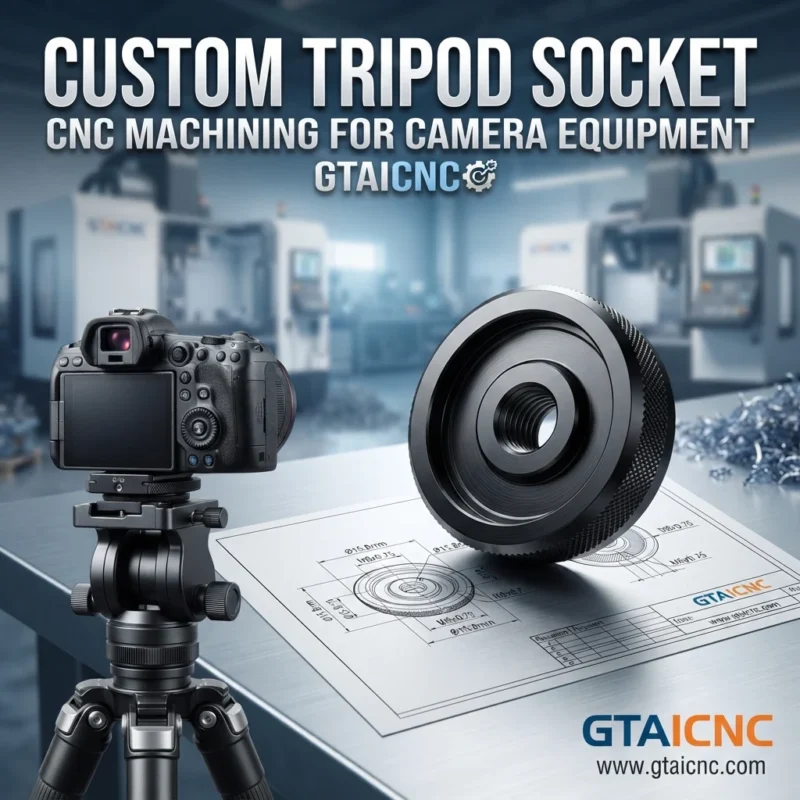
A reliable Tripod Socket helps you secure camera equipment, maintain stable positioning, and reduce the risk of unwanted movement during photography or video production. However, standard mounting components may not match your required dimensions, thread specifications, material preferences, or equipment design. These limitations can create assembly difficulties and increase the time needed to integrate components into your products.
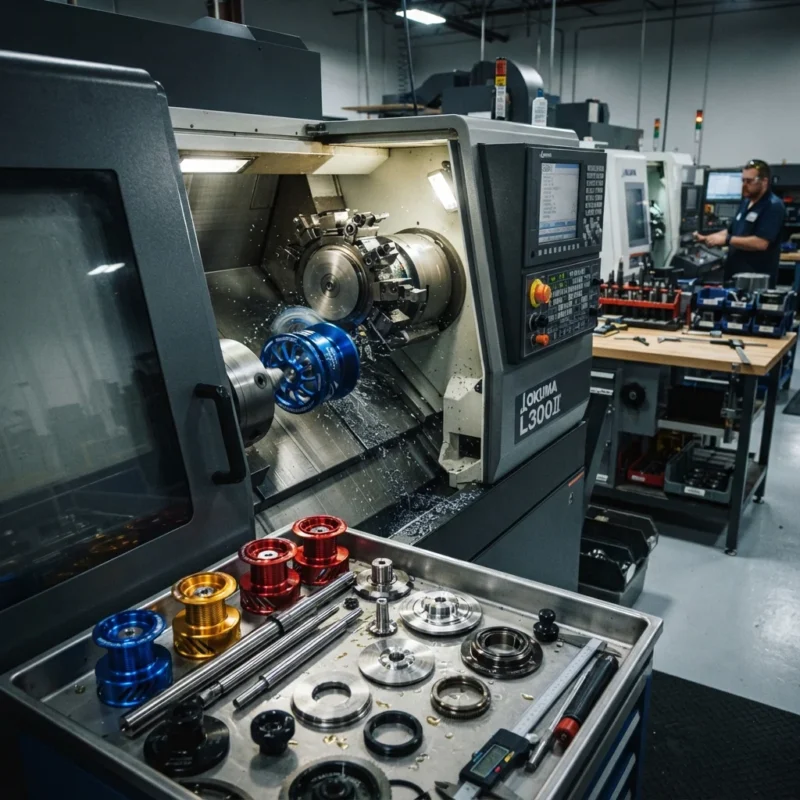
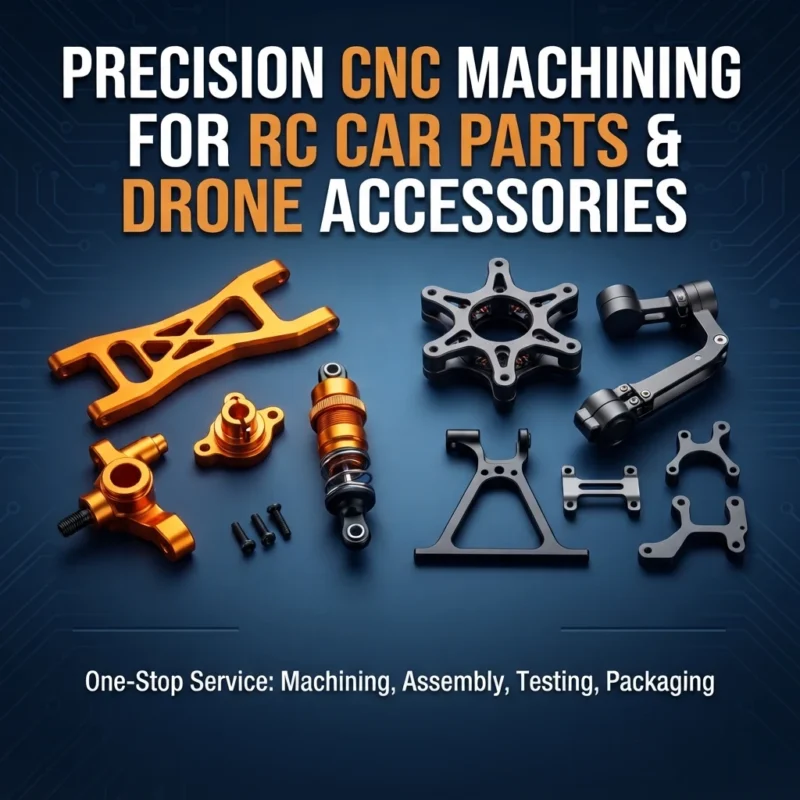
GTAICNC, operated by Dongguan Guangtai Hardware Products Co., Ltd., provides CNC machining services for customized metal components and photography equipment accessories. Founded in 2016, the company operates 31 CNC milling machines and CNC lathes. Its integrated services cover machining, assembly, testing, and packaging, helping you coordinate production requirements through one manufacturing partner.
Whether you develop camera rigs, tripod systems, or specialized mounting equipment, understanding the material, machining process, and design requirements can help you select a suitable tripod socket for your application.
What Is a Tripod Socket?
A Tripod Socket is a mounting component that connects a camera, support structure, or compatible accessory to a tripod or related mounting system. Its design depends on the equipment interface, required connection strength, available installation space, and intended operating environment.
For manufacturers of photographic equipment, a custom CNC machined tripod socket can address requirements that standard components may not accommodate.
Typical design considerations include:
- Thread specifications: Match the connection interface to the intended camera support or mounting hardware.
- Dimensions and tolerances: Define the socket diameter, depth, mounting surfaces, and other critical measurements according to your assembly drawings.
- Material selection: Choose a suitable metal based on weight, strength, corrosion resistance, and finishing requirements.
- Surface finish: Specify a black anodized appearance, a silver metallic finish, or another suitable treatment based on the selected material and manufacturing process.
Confirming these details before production helps reduce compatibility issues during assembly.
Materials for Custom Tripod Socket Manufacturing
The right material depends on your equipment design, performance requirements, and budget. GTAICNC’s machining capabilities support the production of customized metal components, while the final material and finishing process should be confirmed for each project.
Aluminum Alloy
Aluminum alloys such as 6061 and 7075 may suit tripod sockets and camera mounting accessories when you need a balance of weight and mechanical performance. Aluminum components can also receive anodized finishes, including black, subject to the selected alloy and finishing process.
Consider aluminum when your product requires lightweight mounting hardware for portable camera rigs or photography equipment.
Stainless Steel
Stainless steel, including grade 304, may be appropriate when corrosion resistance and a different combination of mechanical properties are important. However, its weight and machining requirements differ from those of aluminum.
Evaluate stainless steel against your specific application rather than assuming it is always the better option.
Surface Finishing and Appearance
Black anodized aluminum and polished or brushed silver metal can support different product designs. For wood-grain combined accessories, bamboo, wood, engineering plastics, or metal may be used in different sections, depending on the product structure.
Discuss the complete assembly with your manufacturer before selecting materials, finishes, and joining methods.
Custom Tripod Socket: Standard Parts vs. CNC Machining
The best production approach depends on your design complexity, order volume, and compatibility requirements.
| Comparison Factor | Standard Tripod Socket | Custom CNC Machined Tripod Socket |
|---|---|---|
| Dimensions | Limited to available specifications | Designed around approved drawings |
| Interface | Uses existing mounting configurations | Can accommodate project-specific interfaces |
| Material options | Restricted to supplier offerings | Selected according to project requirements |
| Surface finish | Available standard finishes | Specified according to material and design |
| Development | Suitable for established designs | Supports customized product development |
| Production planning | Depends on available stock | Requires machining review and production planning |
Standard parts can work well when your equipment uses an existing interface. In contrast, custom CNC machining may be more appropriate when you need a specific geometry, mounting arrangement, or material combination.
How to Order a Custom CNC Machined Tripod Socket
A clear production process helps you communicate requirements and identify potential manufacturing issues before committing to an order.
- Prepare your design requirements. Provide a 2D drawing, 3D CAD file, or preliminary design showing the mounting interface, dimensions, threads, and critical tolerances.
- Confirm the material and finish. Specify your preferred aluminum alloy or stainless steel, along with surface treatment and appearance requirements.
- Review manufacturability. Ask the manufacturer to assess machining access, feature geometry, tolerances, and any assembly constraints.
- Approve the production plan. Confirm the quotation, prototype requirements, order quantity, inspection criteria, and expected lead time before production begins.
- Verify the finished components. Agree on dimensional inspection, thread verification, surface quality checks, and any required functional testing.
- Coordinate assembly and delivery. Confirm packaging requirements and whether additional assembly or other processing services are needed.
This workflow helps you align the final component with your equipment design and purchasing requirements.
Why Choose GTAICNC for Tripod Socket CNC Machining?
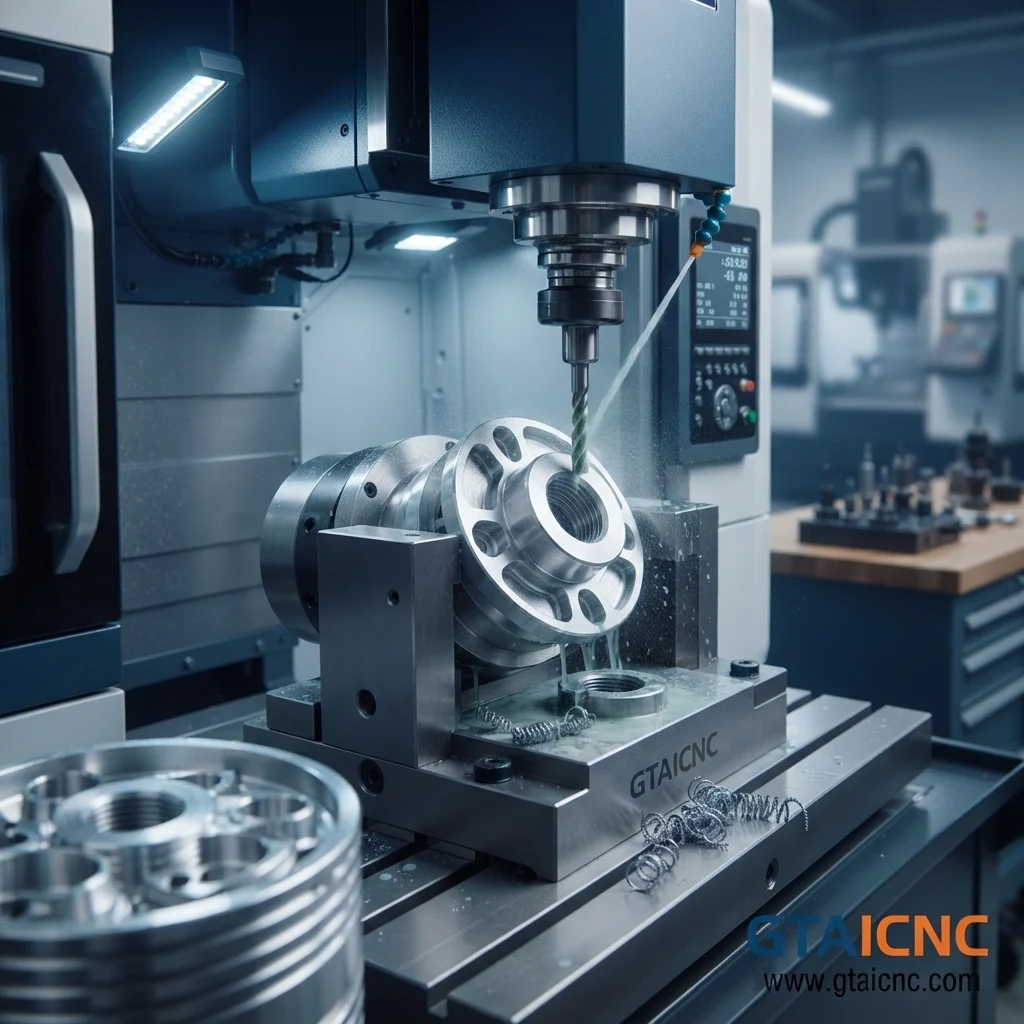
GTAICNC combines CNC machining with supporting manufacturing services for customers developing customized components. Its experience across bicycle accessories, drone components, photography equipment accessories, fishing reel parts, lighting accessories, and scooter components provides a broad manufacturing context for different precision-machined products.
Key capabilities include:
- Established manufacturing operations: Founded in 2016, with 31 CNC milling machines and CNC lathes.
- Integrated services: Machining, assembly, testing, and packaging through a coordinated service process.
- Material flexibility: Support for projects involving materials such as aluminum alloys, titanium, and stainless steel, subject to project review.
- Engineering collaboration: Technical discussions to review part geometry and production processes.
- Supply chain coordination: Consolidated manufacturing services that can help reduce the need to coordinate multiple suppliers.
Before placing an order, request confirmation of achievable tolerances, inspection methods, production capacity for your specific part, and any applicable quality certifications. GTAICNC’s published company information does not establish a specific tolerance guarantee or certification for every tripod socket project.
Frequently Asked Questions
1. Can GTAICNC manufacture custom Tripod Socket components?
GTAICNC offers CNC machining services for customized components and photographic equipment accessories. Share your drawings and requirements to confirm whether your tripod socket design is suitable for its manufacturing capabilities.
2. Which material is suitable for a CNC machined tripod socket?
Aluminum alloy may suit lightweight camera mounting applications, while stainless steel may be preferable for certain corrosion-resistance or mechanical requirements. The appropriate choice depends on the design, operating conditions, and required performance.
3. What information should I provide when requesting a quotation?
Provide the component drawings, material specifications, surface finish, thread requirements, quantity, inspection requirements, and target delivery schedule. If you need a prototype before mass production, include that requirement in your initial inquiry.
Conclusion
Choosing the right Tripod Socket involves more than matching a mounting thread. You also need to consider dimensions, material properties, surface finish, assembly compatibility, and quality verification. By defining these requirements early, you can reduce avoidable design changes and make more informed manufacturing decisions. GTAICNC offers CNC machining and integrated production services to support customized photographic equipment components.
Request a Tripod Socket Manufacturing Quote
Contact GTAICNC at blaze@gtaicnc.com or Stuart@gtaicnc.com. Send your drawings, preferred materials, surface finish, order quantity, and target delivery date to discuss manufacturability, inspection requirements, and a suitable production plan for your project.